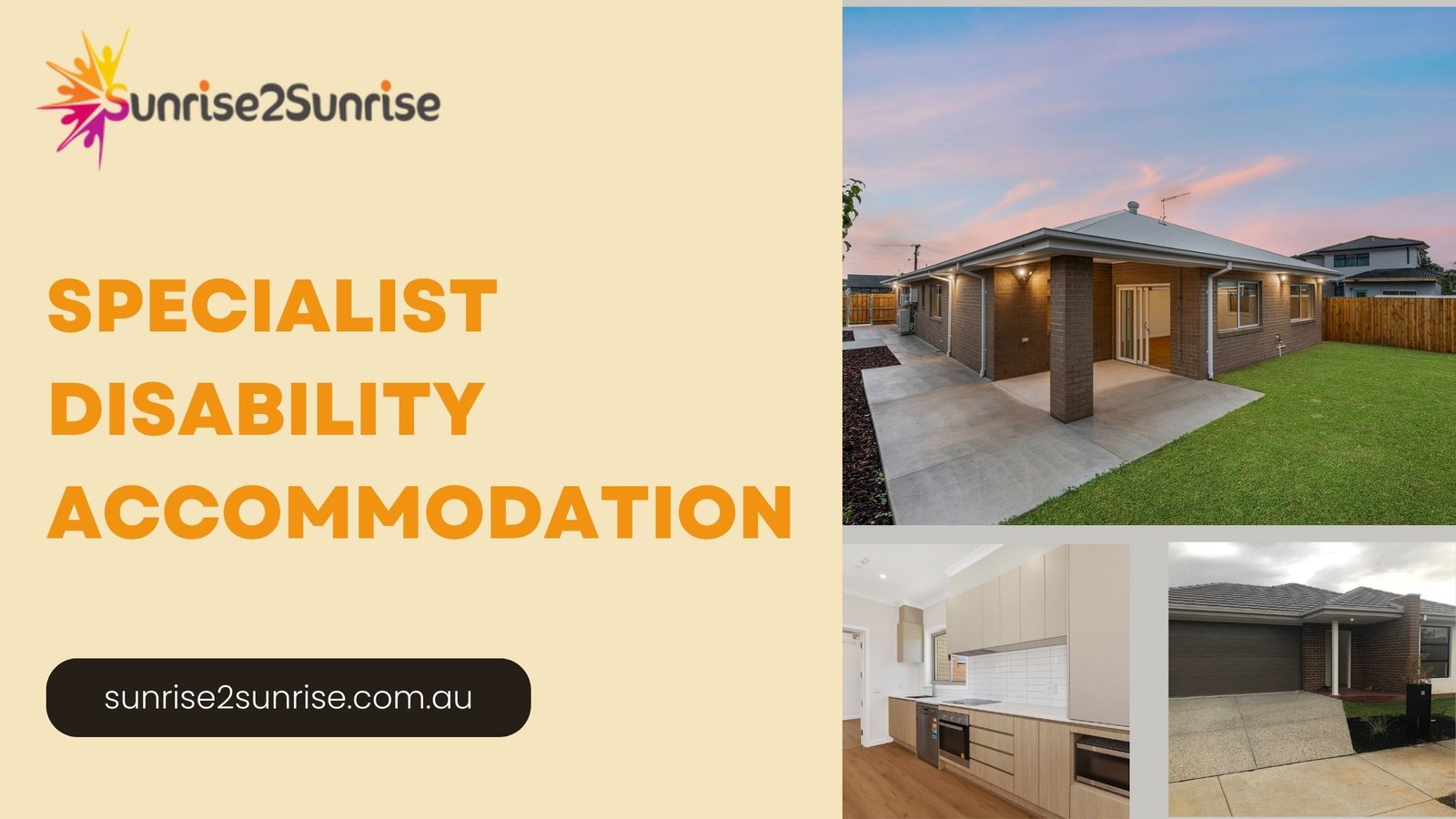
Specialist Disability Accommodation (SDA) provides purpose-built housing for NDIS participants with extreme functional impairments or high support needs.
These homes enhance independence, accessibility, and safety for individuals requiring specialist support.
What Is SDA?
SDA refers to housing designed for people with significant disabilities who need specially built environments to live safely and comfortably. SDA properties include accessible features such as:
- Wider doorways and hallways for wheelchair access
- Reinforced walls and secure windows for safety
- Assistive technology and smart home features
- Hoists, ramps, and adjustable fittings for daily support
Unlike Supported Independent Living (SIL), which funds daily support services, SDA covers the cost of the home itself.
Who Is Eligible for SDA?
Not all NDIS participants qualify for SDA. To be eligible, individuals must meet strict criteria and demonstrate that:
- They have an extreme functional impairment that prevents them from living in standard housing
- They require constant support or supervision due to their disability
- Alternative housing solutions (such as home modifications) are not suitable
Eligibility is determined through the NDIS planning process, where assessments from specialists, such as occupational therapists, are required.
What Are the Different SDA Design Categories?
SDA properties are classified into four design categories to match the level of support needed:
- Improved Liveability – Designed for people with sensory, cognitive, or intellectual impairments, featuring enhanced lighting, clear signage, and easy navigation.
- Fully Accessible – Built for wheelchair users, with step-free access, automated doors, and accessible bathrooms.
- Robust – Designed for individuals with challenging behaviours, incorporating impact-resistant materials, secure exits, and soundproofing.
- High Physical Support – Features include ceiling hoists, emergency power backup, and fully automated home controls for individuals needing 24/7 physical assistance.
How Does SDA Funding Work?
SDA funding is part of a participant’s NDIS plan and covers the cost of housing, not support services. The funding is paid directly to SDA providers, while participants contribute a reasonable rent amount (typically 25% of the Disability Support Pension plus rent assistance).
SDA funding is separate from SIL (Supported Independent Living), which provides funding for daily support services, personal care, and community access.
Where Can You Find SDA Vacancies?
If you’re looking for SDA-approved housing, you can browse available SDA vacancies here.
How to Apply for SDA?
The application process involves several steps:
- NDIS Planning Meeting – Discuss your SDA needs with an NDIS planner.
- Gather Supporting Evidence – Obtain reports from occupational therapists and healthcare professionals outlining why SDA is necessary.
- NDIS Decision – If approved, SDA funding will be included in your plan.
- Find an SDA Provider – Choose an SDA property that meets your needs.
Why Is SDA Important?
SDA offers greater independence, better living conditions, and access to the right level of support for individuals with high care needs. By living in purpose-built environments, participants can maintain a better quality of life while receiving the support they need.
How Is SDA Different from SIL?
Many people confuse Specialist Disability Accommodation (SDA) with Supported Independent Living (SIL).
| Feature | SDA | SIL |
| Covers cost of housing | ✅ | ❌ |
| Covers the cost of daily support | ❌ | ✅ |
| Requires NDIS approval | ✅ | ✅ |
| Can be combined | ✅ | ✅ |
Explore SDA Housing Options
Looking for SDA housing? Explore a range of approved Specialist Disability Accommodation vacancies designed for NDIS participants who need accessible, long-term housing. These properties are built to support safety, comfort, and independence for people with high support needs.
For enquiries related to SDA, contact the Sunrise2Sunrise team by calling 0391883499.