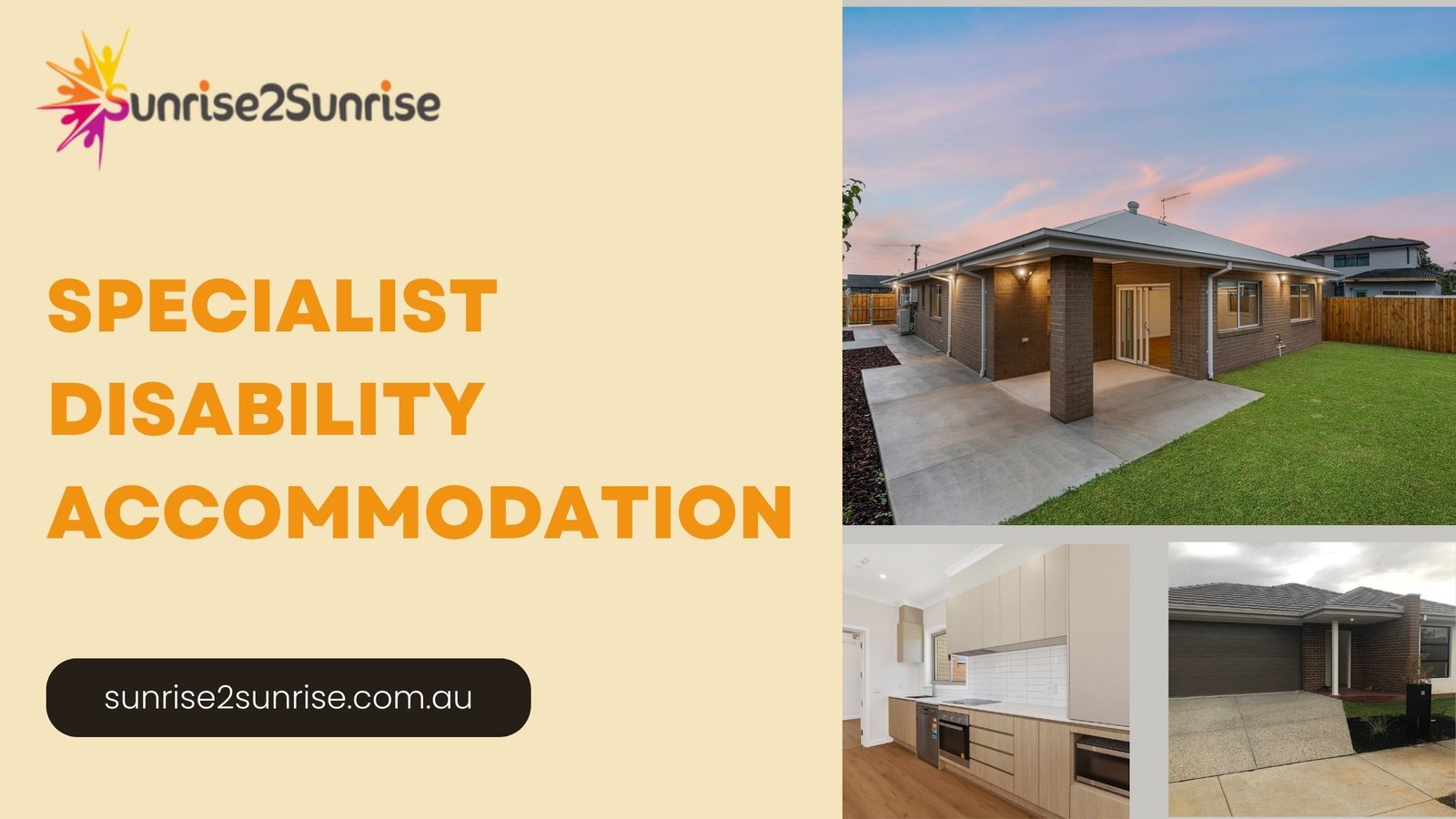
The Specialist Disability Accommodation (SDA) market is undergoing significant changes as we enter 2025.
While the promise of SDA housing continues to attract investors and developers, the market’s reality reveals critical challenges, including oversupply in certain areas and underutilisation of housing stock.
Let’s dive into the current state of the SDA market and explore what these changes mean for participants, investors, and providers.
Understanding SDA
Specialist Disability Accommodation (SDA) refers to housing designed for individuals with extreme functional impairments or high support needs.
Under the National Disability Insurance Scheme (NDIS), SDA funding enables eligible participants to live independently in homes tailored to their needs.
However, the supply-demand dynamics have shifted drastically in recent years. Key entities in the SDA market include:
- NDIS Providers offering housing solutions
- Participants who require SDA for independent living
- Investors and Developers seeking financial returns
The Shift in Market Dynamics
The availability of Specialist Disability Accommodation (SDA) in Australia’s metropolitan areas varies, with both oversupply and undersupply evident in different regions.
Recent analyses indicate that while some areas face shortages, others experience an excess of SDA properties.
Undersupply:
- Sydney, New South Wales: Inner-city regions, including Fairfield, Kogarah–Rockdale, Bankstown, Mount Druitt, and Hurstville, exhibit significant SDA shortages.
- Melbourne, Victoria: Suburbs such as Wyndham, Geelong, Casey–South, Tullamarine–Broadmeadows, and Melbourne City are identified as having notable SDA shortfalls.
- Brisbane, Queensland: Areas like the Hills District, Ormeau–Oxenford, Townsville, Brisbane Inner, and Ipswich Hinterland are reported to have SDA undersupply.
Oversupply:
- Queensland: Regions such as Logan and Ipswich have experienced an oversupply of SDA properties. Despite a strong construction pipeline, many homes remain vacant, highlighting the risks of overbuilding in areas where SDA demand is lower than anticipated.
These disparities underscore the importance of targeted investment and development strategies to address the specific needs of each region.
Implications of the Oversupply
- For Participants: Vacancies in urban areas mean fewer choices for participants to find suitable homes that meet their needs.
- For Investors: An oversaturated market increases competition, reduces rental yields, and heightens the risk of financial losses.
- For Providers: Balancing participant needs with investor expectations remains a challenge.
Strategies to Address Market Imbalances
- Improved Data Transparency
The NDIS and organisations recommend better data collection and sharing to identify real-time supply-demand gaps.
- Regulatory Oversight
Enhanced regulations to curb unethical practices by developers can ensure SDA housing prioritises participant needs over profits.
- Innovative Investment Models
Encouraging partnerships between private investors, local governments, and NDIS providers can help ensure a more equitable distribution of SDA housing.
Takeaway
Collaboration between the NDIS, developers, and community groups will be key to addressing these challenges.
Sunrise2Sunrise believes the oversupply of SDA housing highlights the need for participant-centred planning and ethical development practices.
To ensure equitable housing solutions, our organisation advocates prioritising the actual needs of NDIS participants over profit-driven projects.
Sunrise2Sunrise focuses on regional development and sustainable investment models to bridge the gaps in the SDA market and foster better outcomes for participants and providers.
Looking for available SDA housing? Check out our SDA Vacancies page for the latest listings.